
Exploring Inkbound: A Fresh Take on Roguelike Progression and Turn-Based Combat

This weekend, I dove into Inkbound — an innovative roguelike, a turn-based action game from the creators of Monster Train. For fans of Monster Train, rest assured that Shiny Shoe has once again delivered high-quality gameplay and imaginative design. Known for breathing fresh life into beloved mechanics, Shiny Shoe takes roguelike gameplay to new heights in Inkbound, blending the genre’s relentless progression with a complex turn-based combat system that feels both challenging and rewarding. Set in a mysterious ink-crafted world, Inkbound invites players to explore a vast library of living stories filled with creatures and characters that reflect the tales within. While it shares thematic elements with genre classics like Hades and Slay the Spire, Inkbound empowers players to forge unique narratives with every choice and encounter. The result is a game that makes every session feel like a fresh chapter in an ever-evolving story.
TL;DR
Intriguing narrative, exceptional combat mechanics, deep build options, a divisive art style, and a memorable soundtrack. Inkbound is a must-play for fans of roguelikes and turn-based strategy games.
Combat
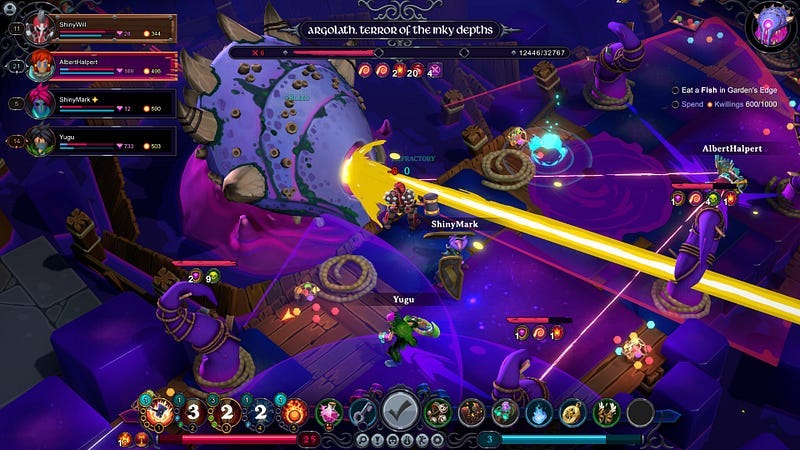
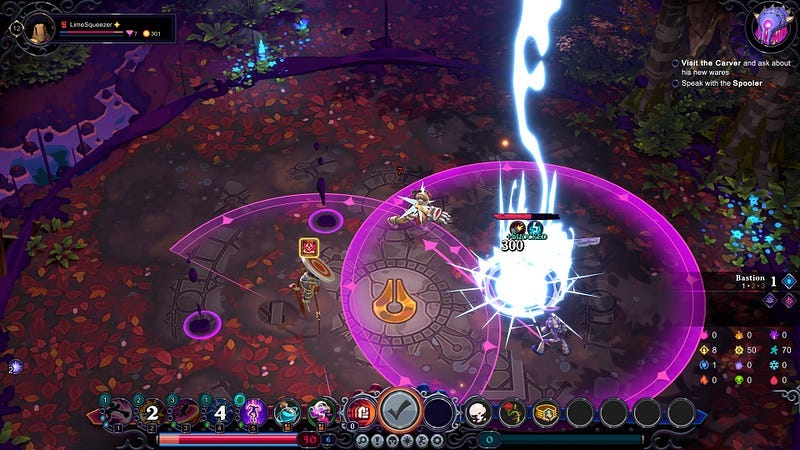
Combat is Inkbound’s standout feature and the core mechanic that defines the game’s experience. Unlike real-time combat, which often forces players to focus on simple, repetitive attacks, Inkbound’s turn-based system encourages using every available ability, making each turn a thoughtful and strategic puzzle. During combat, players have a movement range to position themselves and can select abilities based on will costs and cooldowns, creating a rhythm that balances decision-making with resource management. As players unlock new abilities, artifacts, and upgrades, Inkbound continually rewards creative strategy, enabling fresh combos and synergies that keep combat engaging. However, unavoidable enemy attacks can sometimes lessen the impact of positioning, and more environmental elements like obstacles could add even greater depth. These additions elevate the tactical experience, and I’m hopeful the developers will explore this in future updates.
Character progression
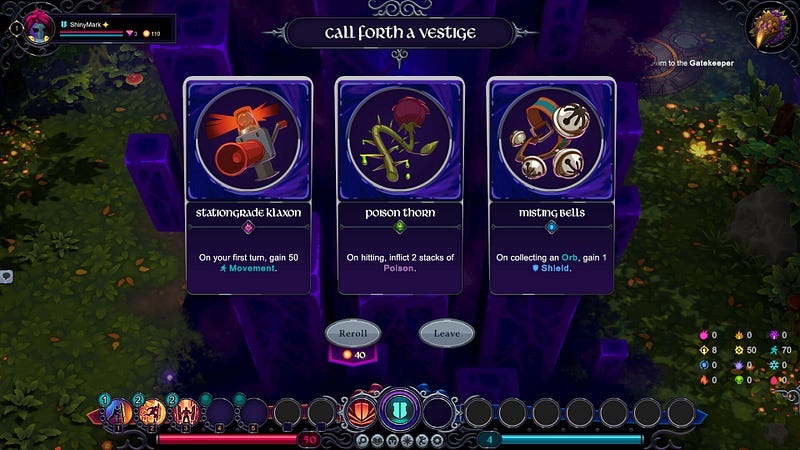
Character progression in Inkbound is intricate and rewarding, with eight unique classes offering distinct playstyles, abilities, upgrades, and ascension paths. This diversity allows players to experiment and adapt their strategies as they progress. A significant element in Inkbound’s progression system is the Vestiges, powerful artifacts that provide unique points, unlocking perks at certain thresholds and adding further customization. An essential mechanic tied to Vestiges is the ability to extract points from them, allowing players to refine their builds and adjust their strengths on the fly. This constant decision-making process — whether to focus on new abilities, upgrades or prioritize Vestiges and their extraction — keeps progression dynamic and fresh. In true roguelike spirit, the game encourages strategic sacrifices, sometimes requiring players to part with parts of their build to unlock more extraordinary power, adding depth and making each run feel impactful and unique.
Gameplay
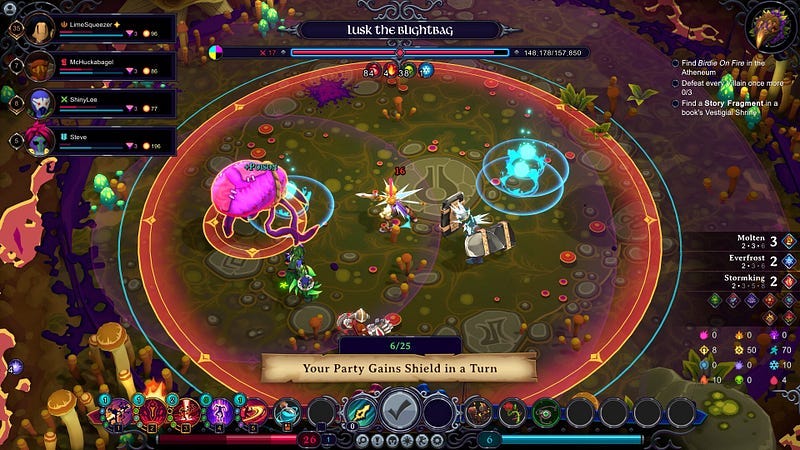
Inkbound’s gameplay feels familiar to fans of roguelike deck-builders like Monster Train and Slay the Spire, offering a blend of battles, events, and safe zones where players face constant choices shaping each run. Players move through encounters and quiet zones by selecting paths with specific rewards, creating a flow of strategic decisions that build momentum and impact progression. Rather than merely clicking points on a map, players physically run between zones, which adds a seamless transition and a mental pause between combats. This traversal design also connects Inkbound’s world, with the inky Atheneum and its various landscapes blending smoothly. Safe zones and events add pacing variety, offering spots for healing, upgrades, or narrative elements. Together, these gameplay elements create a fluid and alive world where every choice matters, making each run a unique, engaging journey.
Meta
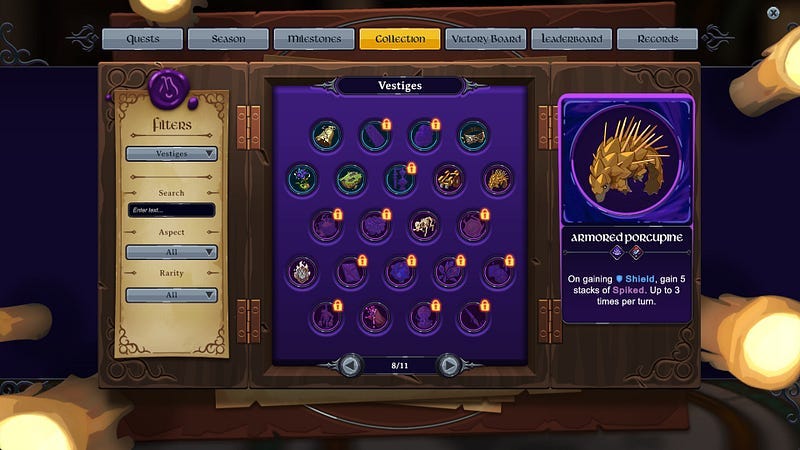
The meta progression in Inkbound follows a familiar roguelike structure, allowing players to unlock new Vestiges and characters as they advance. Although there are a few roguelite-inspired elements that offer slight boosts for subsequent runs, they’re minor enough to keep the focus on skill and adaptability rather than persistent power gains. This approach keeps Inkbound firmly in roguelike territory, challenging players to rely on strategy rather than accumulated advantages.
Narrative
While the story isn’t typically a priority in roguelikes, Hades proved that rich narratives can elevate this genre, and Inkbound follows suit with its surreal, ink-themed world. The game presents an imaginative setting where ink-based creatures and book-bound realms create a hauntingly unique atmosphere that feels grotesque and beautiful. As players dive into stories within the inky Atheneum, they encounter strange, mysterious characters, like the Binders, who shape the world’s stories, and the Kwills, who hold the magic of creation. This unique lore draws players in, and even those who usually skip dialogue may find themselves intrigued by Inkbound’s narrative style. The mix of bizarre world-building and creative characters adds depth to each run, with narrative elements that enhance the game’s darkly whimsical aesthetic and encourage players to follow along as they craft their own unfolding tale.
Art
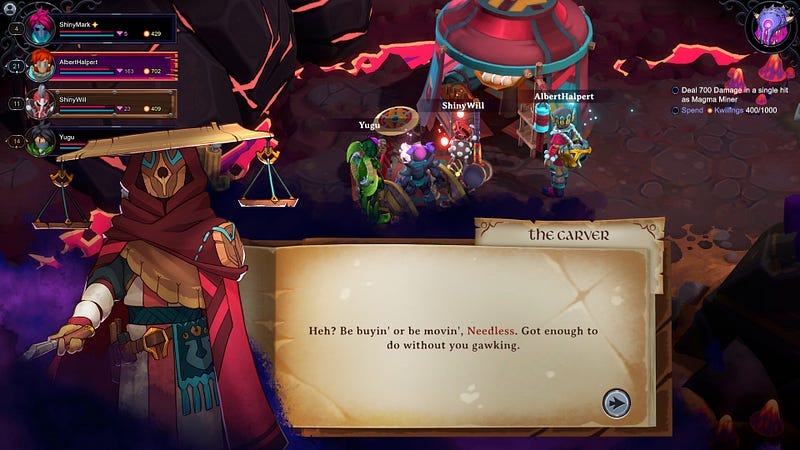
The art style in Inkbound might be polarizing for players. I enjoy it, but its contrast-heavy palette, filled with bright purples, greens, and other intense colors, may be overwhelming for some. The vibrant hues create a visually striking world but could become tiring during extended gameplay. The character models also feature a simple 3D style, which, while cohesive with the surreal world design, can feel slightly out of place. A more stylized look similar to Monster Train might have been a better fit here, given its smooth blend of bold aesthetics and storytelling. Despite mixed feelings about the visual style, Inkbound’s gameplay, narrative depth, and unique mechanics outweigh these minor drawbacks. Hopefully, the game’s distinct strengths will encourage players to appreciate the art as part of its bold, imaginative vision.
Multiplayer
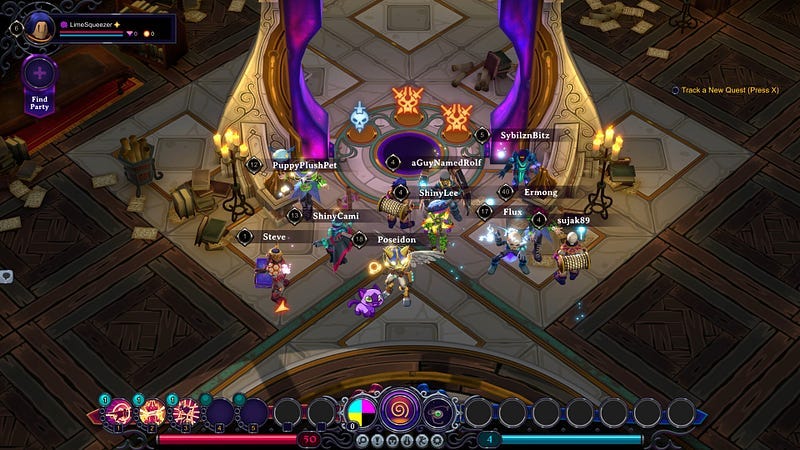
The multiplayer feature in Inkbound is limited and may leave players wanting more interaction. While you can see other players wandering around in the hub, the lack of chat or trading options makes them feel almost like NPCs with nameplates rather than actual players. The multiplayer aspect comes across as purely cosmetic without meaningful ways to engage, such as trading items, inspecting each other’s builds, or teaming up in unexpected ways. Adding basic features like build-sharing or cooperative challenges could enrich this part of the game, making the social space more dynamic and integrated. Although I have yet to test the co-op mode, it would be interesting to see if future updates expand multiplayer possibilities, giving players more ways to connect and strategize within Inkbound’s unique world.
Cosmetic
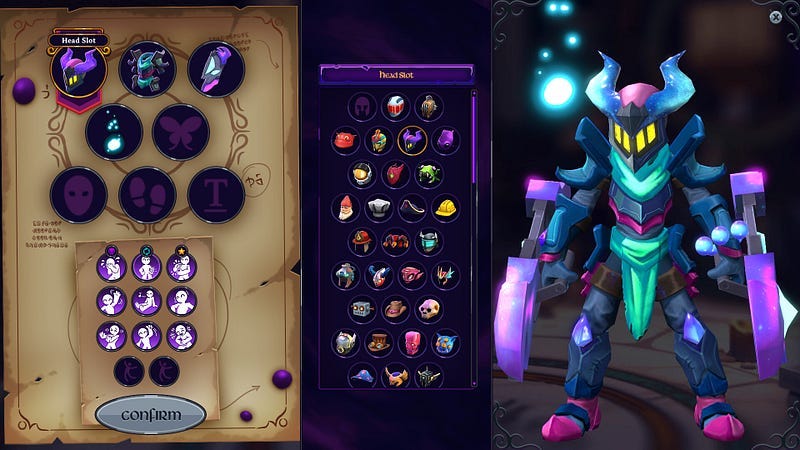
One unique feature in Inkbound is its character customization, an unexpected but welcome addition for a roguelike. Players can personalize their character’s appearance, choosing different face elements, armor styles, and weapon designs. While these cosmetic options don’t impact gameplay or builds, they add a layer of personality and fun that enhances the overall experience. This customization becomes even more enjoyable with the multiplayer element, as players can “show off” their personalized look or display trophies to others in the hub world. This small meta layer may not change your combat stats, but it adds a sense of individuality and accomplishment that fits well within Inkbound’s unique world.
Music
The soundtrack in Inkbound instantly brought me back to the vibes of Monster Train, one of the few game soundtracks I purchased because of its atmospheric depth. The music in Inkbound is more than just a backdrop; it amplifies the game’s mysterious, ink-stained world, immersing players in each turn of their journey through the surreal Atheneum. Each track is carefully designed to complement the gameplay and visual style, adding a layer of tension or wonder as needed. The soundtrack enhances the eerie and enchanting mood and serves as an auditory guide, subtly shifting in tone as players progress through encounters and quiet zones. Overall, the music is the finishing touch that completes Inkbound’s unique, immersive experience, making the world feel cohesive and alive.
Conclusion
If you’re a fan of roguelike deck-builders, Inkbound is absolutely worth your time — and don’t worry, despite its strategic depth, there are no “cards” here. Instead, Inkbound offers a layered, dynamic combat system full of choices that feel fresh each run, combining the randomness and progression of roguelikes with a thoughtful, turn-based approach. Fans of Hades will also find familiarity in Inkbound’s gameplay, which has a similar sense of action-driven strategy but in a turn-based format that opens up even more tactical possibilities. With its immersive world, intriguing narrative, and innovative combat mechanics, Inkbound successfully brings a unique twist to the genre, making each dive into its ink-stained world feel like a new adventure waiting to be discovered. Whether you’re a seasoned roguelike player or new to the genre, Inkbound is a must-play that will keep you coming back for more, eager to uncover the next chapter in its ever-evolving story.
Where to Play
The game is available on Steam, and check their website for new available platforms: Inkbound Website
Credits: Images are taken from the official Inkbound Steam page.